Science in Action With Trent Refractories & British Science Week 2026
6
From 6–15 March 2026, British Science Week celebrates the role of science, technology, engineering and mathematics in everyday life. While laboratories and classrooms often take centre stage, the week also provides an opportunity to recognise science at work in industry, including the high-temperature environments where refractory engineering plays a vital role.
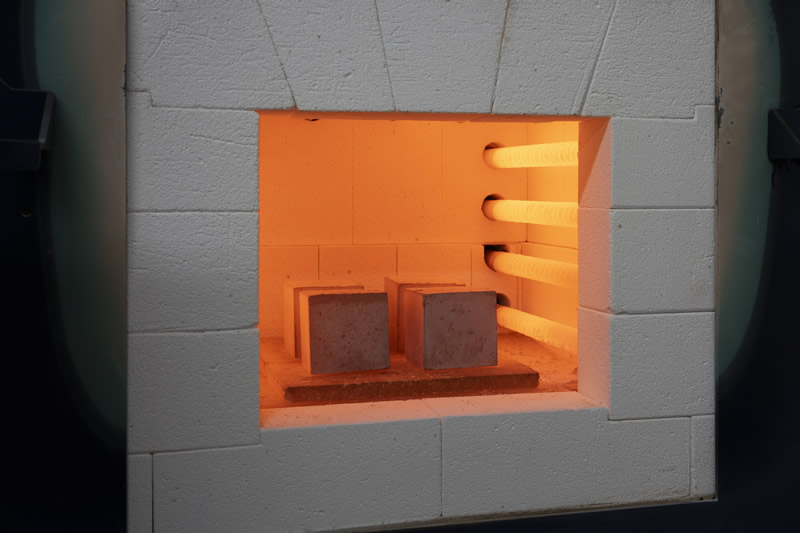
At Trent Refractories, science is embedded in every stage of operations. The performance of refractory linings inside furnaces, kilns, and industrial vessels depends on a detailed understanding of thermodynamics, material science, chemical resistance, and mechanical stress. Each installation begins with analysis: What temperatures will the lining face? What slags, gases, or fuels will interact with it? How will thermal cycling affect expansion and contraction over time?
British Science Week offers a timely reminder that these questions are not theoretical — they are practical applications of physics and chemistry that determine plant efficiency, safety, and longevity. A refractory lining must insulate effectively to minimise heat loss, resist corrosion from aggressive environments, and maintain structural integrity under extreme conditions. The science behind these materials directly influences energy consumption, emissions, and operational reliability.
The company’s activities extend beyond installation to include inspection, testing, and lifecycle optimisation. Understanding wear patterns, thermal shock resistance, and material degradation involves continual scientific evaluation. Data gathered on site feeds back into improved material selection and engineering design, demonstrating the iterative relationship between science and industrial practice.
British Science Week also highlights the importance of skills development and inspiring the next generation. Refractory engineering illustrates how classroom principles in chemistry, physics, and mathematics translate into real-world impact. From calculating heat transfer rates to selecting aggregates that enhance durability, STEM knowledge underpins daily decision-making in the field.
As industries evolve toward lower-carbon technologies and more efficient production processes, scientific innovation in materials becomes increasingly important. New fuels, altered furnace atmospheres, and advanced process controls require adaptable refractory solutions supported by ongoing research and technical expertise.
#TrentRefractories #Refractories #Monolithics #Precast #Bricks
Other Articles
Trent Refractories At ICR 2026 Conference & Trade Fair
14
Flexible Ladle Gunning Manipulator Solutions To Boost Refractory Repairs in Steel Plants
01
Trent Refractories Supports Package Incinerator & Small-Scale Boiler Markets
24
Large Bespoke Refractory Castings Built On Decades Of Expertise
17
Precast Collector Nozzles Made In The UK & Built for Reliability
10
Celebrating Our Continued Commitment To The UK Steel Charter
04
Trent Refractories Is The Official UK Distributor For Cofermin Chemicals
20
Getting Answers Not Assumptions With Forensic Failure Analysis
13
Trent Refractories Celebrates 11 Years As A Living Wage Employer
09
Innovative Velco RH Gunning Manipulator To Improve Snorkel Maintenance In Steel Plants
01
