Trent Refractories Engineering For A Lower-Carbon Future & Earth Day 2026
22
On 22 April 2026, Earth Day focuses global attention on environmental protection and sustainable progress. While renewable energy and conservation initiatives often take centre stage, the transition to a lower-carbon economy also depends on improvements within heavy industry — including the high-temperature processes that underpin steel, cement, glass and energy production.
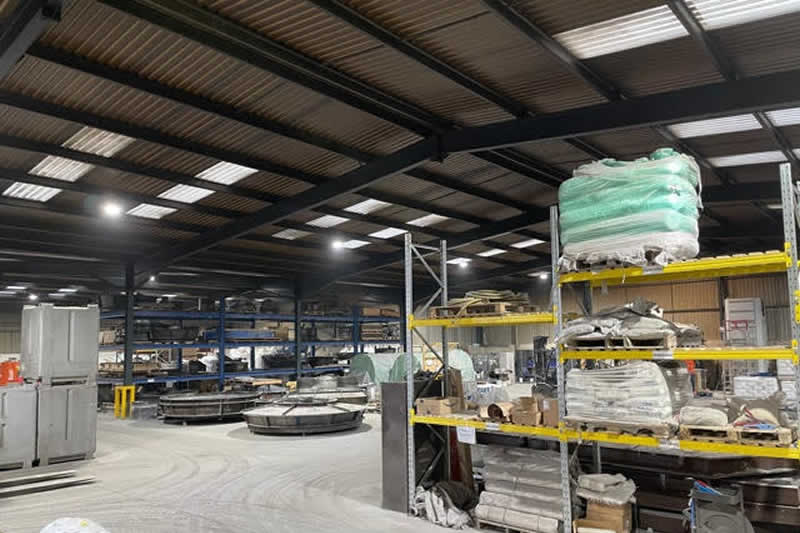
Refractories play a crucial but often unseen role in this transition. These specialist materials line furnaces and kilns, insulating them against extreme heat and protecting structural components from chemical and mechanical stress. Their performance directly affects energy efficiency, emissions and operational longevity. Well-designed refractory systems minimise heat loss, extend campaign life and reduce the frequency of shutdowns — all of which contribute to lower resource consumption and reduced environmental impact.
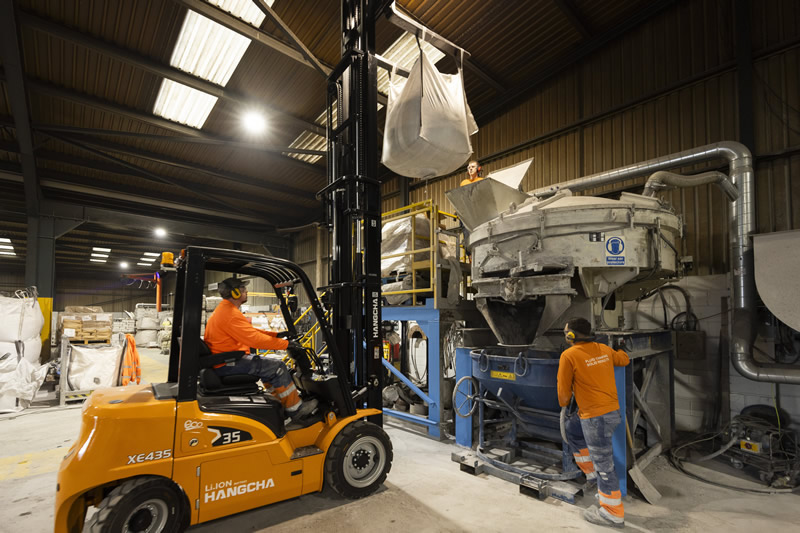
For companies working in this field, Earth Day offers an opportunity to reflect on how engineering decisions at material level influence global sustainability goals. Selecting the right refractory solution can improve thermal efficiency, support alternative fuels, and enable the adoption of cleaner production technologies. As industries explore electrification, hydrogen integration and other low-carbon innovations, refractory systems must evolve to withstand new operating conditions.
Environmental responsibility also extends beyond installation. Efficient maintenance planning, lifecycle optimisation and the responsible management of end-of-life materials help reduce waste and conserve natural resources. By integrating circular principles and prioritising durability, industrial service providers contribute to broader sustainability efforts across supply chains.
Earth Day 2026 highlights that environmental progress is not achieved by a single breakthrough, but by thousands of incremental improvements across every sector. In high-temperature industries, those improvements are often found in the engineering expertise that protects and enhances critical infrastructure — demonstrating that sustainable change depends as much on materials science and operational efficiency as it does on policy and innovation.
On 22 April, the connection between engineering and environmental stewardship becomes clear: even in the most extreme industrial environments, thoughtful design and responsible practice can help build a more sustainable future.
We have already switched to LED lighting, have electric fork trucks and vehicles within our fleet and are looking at ways to reduce our impact further.
#EarthDay #EarthDay2026 #TrentRefractories #Refractories #Monolithics #Precast #Bricks
Other Articles
Trent Refractories At ICR 2026 Conference & Trade Fair
14
Flexible Ladle Gunning Manipulator Solutions To Boost Refractory Repairs in Steel Plants
01
Trent Refractories Supports Package Incinerator & Small-Scale Boiler Markets
24
Large Bespoke Refractory Castings Built On Decades Of Expertise
17
Precast Collector Nozzles Made In The UK & Built for Reliability
10
Celebrating Our Continued Commitment To The UK Steel Charter
04
Trent Refractories Is The Official UK Distributor For Cofermin Chemicals
20
Getting Answers Not Assumptions With Forensic Failure Analysis
13
Trent Refractories Celebrates 11 Years As A Living Wage Employer
09
Innovative Velco RH Gunning Manipulator To Improve Snorkel Maintenance In Steel Plants
01
